
- September 2, 2026
- siddhidata
- Comment: 0
- Uncategorized
Kidney stones are one of the most common urological conditions seen in clinical practice today, ranging from minor discomfort to a medical emergency requiring prompt care. This guide covers what causes kidney stones, how to recognize the symptoms, and the treatment options available — based on the experience of treating this condition regularly at Siddhidata Urology Clinic in Nashik.
Quick summary: Kidney stones are mineral deposits that form when urine becomes too concentrated. They are common, treatable, and largely preventable, with treatment options ranging from simple hydration therapy to minimally invasive procedures such as RIRS, ureteroscopy, and PCNL, depending on the size and location of the stone.
What Is a Kidney Stone?
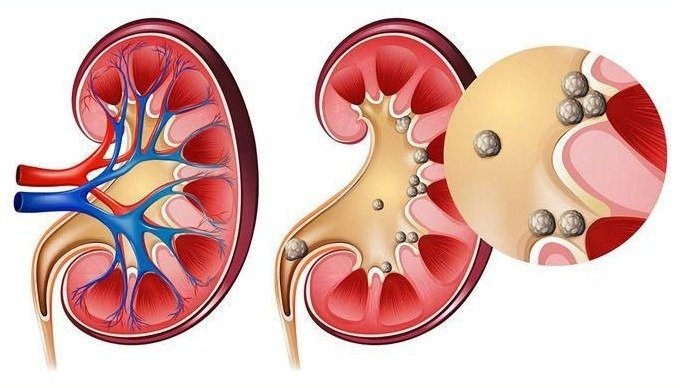
A kidney stone is a hard mass made of minerals and salts that forms inside the kidney. Urine normally contains chemicals that prevent these minerals from clumping together. However, when urine becomes too concentrated — usually due to inadequate water intake — or when there is an excess of stone-forming substances in the body, crystals begin to bind and gradually grow into a stone.
A stone rarely forms overnight. In most cases, it develops gradually as a result of everyday habits around hydration, diet, and lifestyle.
What Causes Kidney Stones?
Several factors typically combine to create the right conditions for stone formation:
- Low water intake — the most common contributing factor, especially among people with sedentary jobs or those who simply don’t drink enough water through the day.
- Diet — excess salt, oxalate-rich foods like spinach and nuts, and high animal protein intake all raise the risk.
- Family history — a family history of kidney stones increases individual risk and often calls for closer monitoring.
- Body weight — obesity can alter how the body regulates calcium and uric acid levels.
- Other health conditions — recurrent urinary tract infections, inflammatory bowel disease, and certain metabolic disorders increase susceptibility.
- Climate — warmer regions, such as Nashik in the summer months, lead to greater fluid loss through sweat, which further concentrates urine and raises stone risk.
Common Symptoms of Kidney Stones
Not every stone causes noticeable symptoms — small stones can sit quietly in the kidney without issue. But once a stone starts moving or begins blocking the flow of urine, common symptoms include:
- Sudden, sharp pain in the back or side, often radiating to the lower abdomen or groin
- Burning or pain during urination
- Blood in the urine
- A frequent, urgent need to urinate
- Nausea or vomiting
- Cloudy or foul-smelling urine
Anyone experiencing this kind of pain should seek evaluation promptly rather than waiting it out. Early treatment is generally simpler and safer than managing complications later.
Treatment Options for Kidney Stones
There is no single correct treatment for every stone. The right approach depends on the stone’s size, location, and composition, along with the patient’s overall health. Common treatment options include:
1. Medical Management: For small stones, conservative measures such as increased fluid intake, pain relief medication, and hydrotherapy are often enough to help the stone pass naturally.
2. Lithotripsy (Shockwave Therapy): A non-invasive procedure that uses shockwaves to break larger stones into smaller fragments, making them easier to pass.
3. Ureteroscopy: For stones lodged in the ureter, a thin scope is passed through the natural urinary passage to remove or break up the stone — with no external incision required.
4. Percutaneous Nephrolithotomy (PCNL): For larger stones located in the kidney, a small incision is made in the back to access and remove the stone directly using a nephroscope.
5. Retrograde Intra-Renal Surgery (RIRS): For smaller stones inside the kidney, a flexible scope is passed through the urinary tract and a laser is used to break the stone into fragments — a technique favored for its precision and quicker recovery. A more detailed breakdown of this procedure is available on the RIRS treatment page.
Can Kidney Stones Be Prevented?
Prevention is an important part of long-term kidney stone care, since a stone that is removed today can return if the underlying cause isn’t addressed. General preventive advice includes:
- Drinking enough water daily — aim for urine that is pale, not dark
- Reducing salt and animal protein intake
- Limiting oxalate-rich foods for those prone to calcium oxalate stones
- Maintaining a healthy body weight
- Treating urinary infections promptly rather than letting them linger
Undergoing a metabolic evaluation for recurrent stones, since knowing the specific stone type helps tailor future prevention
When to See a Doctor Immediately
Severe pain, fever accompanied by flank pain, or difficulty urinating are signs that require urgent medical attention, as they can point to complications such as infection or obstruction. Even mild but recurring symptoms are worth getting checked, since untreated stones can gradually affect kidney function over time.
Frequently Asked Questions
1. Can a kidney stone pass on its own, or is treatment always needed?
Many small stones — generally under 5mm — pass on their own with adequate fluids and pain management. Larger stones, or those causing blockage, infection, or persistent pain, usually need intervention such as lithotripsy, ureteroscopy, or PCNL. Stone size and position are assessed first to decide the right approach.
2. Is kidney stone treatment painful, and does it require major surgery?
Most current treatment options are minimally invasive. Ureteroscopy and RIRS are performed through the natural urinary passage with no external cuts, and even PCNL requires only a small incision. Patients are under anesthesia during the procedure, and recovery is significantly faster than with traditional open surgery.
3. How long does recovery take after kidney stone treatment?
Recovery time depends on the procedure. With ureteroscopy or RIRS, most patients go home the same day or the next, resuming normal activity within a few days. PCNL typically requires a short hospital stay of 1–2 days, with full recovery in about a week to ten days.
4. Once a kidney stone has been treated, is recurrence likely?
Yes, recurrence is fairly common — roughly half of patients develop another stone within a few years without preventive measures. Identifying the stone type and its underlying cause, followed by a tailored diet and lifestyle plan, significantly reduces this risk.
5. What should I look for in a kidney stone doctor in Nashik?
Look for a urologist with hands-on experience across the full range of stone treatments — from conservative management to advanced procedures like RIRS, PCNL, and ureteroscopy — along with a clear focus on identifying the root cause and preventing recurrence, not just removing the stone.
About the Author
Dr. Lomesh Kapadnis is a consultant urologist based in Nashik, practicing at Siddhidata Urology & Maternity Clinic. He specializes in kidney stone management (including RIRS, PCNL, and ureteroscopy), enlarged prostate treatment, urinary incontinence, andrology, and reconstructive urology. Read more about his qualifications and experience or visit the clinic’s About Us page.
Have questions before booking? Contact us here or check our FAQs page for more general queries. You can also read patient testimonials to see what others have experienced at the clinic.
A Note From Dr. Kapadnis
Kidney stones are painful, but they are also very treatable — and largely preventable once the underlying cause is understood. I focus on treating each patient’s current stone while also working to prevent the next one, rather than offering a one-time fix. If symptoms of a kidney stone are troubling you, I’d encourage getting it evaluated properly rather than waiting.
Book an appointment with Dr. Lomesh Kapadnis, a trusted kidney stone doctor in Nashik, for expert evaluation and personalized treatment.
Leave feedback about this