
Every week, expecting mothers walk into my clinic with the same worry: “Am I eating right? Is it okay to still walk or exercise?” It’s one of the most common questions I get, and honestly, one of the most important ones too. What you eat and how you move during pregnancy really does shape how you feel, and how your baby grows.
Here’s what I’d tell you if you were sitting across from me right now.
Eating for Your Baby, Not for Two
You’ve probably heard “eat for two.” Forget that. Pregnancy isn’t about eating more — it’s about eating better.
A few things matter most:
- Folic acid early on, for your baby’s brain and spine. Leafy greens, lentils, and fortified cereals help.
- Iron, because tiredness and anemia are common in pregnancy. Spinach, jaggery, and lean meats are good choices.
- Calcium and vitamin D for strong bones — think dairy, ragi, and a little sunlight.
- Protein, from eggs, pulses, and paneer, to help your baby grow.
- Fiber and water, to keep digestion comfortable.
Try to go easy on raw meat, unpasteurized dairy, too much caffeine, and packaged junk food. And please don’t follow a diet chart you found online without checking with your doctor first — every pregnancy is a little different.
Staying Active Is Usually a Good Thing
Movement during pregnancy isn’t just safe — for most women, it actually helps. Better sleep, less back pain, an easier delivery, faster recovery afterward.
Some simple, generally safe options:
- Walking — easy, free, and effective.
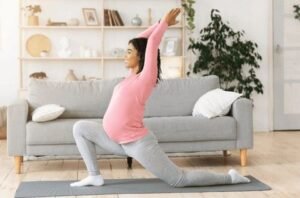
- Prenatal yoga — good for flexibility and calming your mind.
- Swimming — gentle on your joints.
- Pelvic floor exercises — they really do help during labor and recovery.
If you feel dizzy, breathless, notice bleeding, or your baby’s movements slow down while exercising — stop and call your doctor. That’s not something to wait out.
Some pregnancies do need extra caution — if you’ve had preterm labor before, or conditions like placenta previa, exercise should only happen under close medical guidance.
Common Pregnancy Myths I Hear Often
A few things come up so frequently in my clinic that they’re worth addressing directly:
- “Don’t raise your hands above your head, the cord will wrap around the baby.” This isn’t true. The position of the umbilical cord has nothing to do with a mother’s arm movements.
- “Avoid all spicy food or the baby will have skin problems.” Spicy food in moderation is generally fine unless it triggers heartburn or discomfort for you personally.
- “You shouldn’t travel after the first trimester.” Travel is usually fine in the second trimester for most healthy pregnancies, though it’s worth checking specifics with your doctor, especially for long journeys later on.
- “Exercise makes labor harder.” In most cases, it’s the opposite — staying reasonably active often makes labor and recovery easier, not harder.
Myths like these tend to spread because they come from people who care, but they aren’t always based on evidence. When in doubt, it’s always better to ask your own doctor than to follow advice passed down informally.
How Much Weight Should You Actually Gain?
This is another question I get almost daily, usually from mothers worried they’re gaining too much or too little. The honest answer is that it depends on where you started. Women who begin pregnancy at a healthy weight typically gain somewhere between 10 to 12.5 kg over the full pregnancy. If you started underweight, a bit more is fine; if you started overweight, your doctor may guide you toward gaining less.
What matters more than the total number is the pattern. Gaining very little in the first trimester is normal, especially with nausea. Most of the weight gain happens in the second and third trimesters, gradually, not in sudden jumps. If you’re gaining much faster than expected, it’s worth checking for things like excess fluid retention or gestational diabetes, rather than just cutting food drastically.
Staying Hydrated Matters More Than People Think
Water doesn’t get talked about enough. Your blood volume increases significantly during pregnancy, and staying well hydrated helps with everything from digestion to amniotic fluid levels to simply feeling less exhausted. I usually tell patients to aim for around 8 to 10 glasses of water a day, more if it’s hot or if you’re active. Coconut water, buttermilk, and fresh fruit are good ways to add fluids without relying only on plain water.
Dehydration can actually trigger false contractions in some women, so if you’re feeling unusually crampy, checking your water intake before assuming something is wrong is often a good first step.
Sleep and Rest Deserve Attention Too
Diet and exercise get most of the attention, but sleep is just as important, and it’s something a lot of mothers struggle with, especially in the third trimester when getting comfortable becomes harder. Sleeping on your left side is generally recommended from the second trimester onward, since it improves blood flow to the baby. A pregnancy pillow or a regular pillow between the knees can make a real difference.
Short daytime naps are perfectly fine if nighttime sleep is broken. What I’d caution against is relying on sleep medication or herbal sleep aids without checking with your doctor first, since not everything considered “natural” is automatically safe in pregnancy.
Why Personal Guidance Matters More Than Generic Advice
No two pregnancies are the same, so no diet chart or workout video fits everyone. At our clinic, every mother gets a plan built around her own health, her trimester, and any risk factors she may have — not a one-size-fits-all list. That’s really the heart of good pregnancy care.
Preparing for Delivery as You Get Closer
As the third trimester progresses, diet and exercise start blending into delivery preparation. Staying active supports better stamina for labor. Eating well supports your energy levels for what can be a long process. Pelvic floor exercises, which I mentioned earlier, become especially useful now, since they directly support the muscles involved in delivery.
This is also a good time to start discussing your birth plan with your doctor — whether you’re aiming for a normal vaginal delivery, what to expect if a C-section becomes necessary, and what pain management options are available. Going in informed tends to make the whole experience feel less overwhelming.
Frequently Asked Questions
- What should I eat in my first trimester?
Focus on folic acid-rich foods, eat small, frequent meals if nausea is an issue, and stay hydrated. Your doctor will likely start you on prenatal supplements early.
- Can I exercise in early pregnancy?
Yes, for most women. Walking and gentle yoga are usually fine from the start. If you’ve had a miscarriage or bleeding before, check with your doctor first.
- How many extra calories do I really need?
Not many in the first trimester. Later on, roughly 300–450 extra calories a day is a reasonable guide, but it depends on your weight and activity level.
- Will exercise cause a miscarriage or early labor?
No, not if it’s moderate and doctor-approved. It’s the high-intensity or risky activities that need to be avoided, not gentle movement.
- When should I not exercise at all during pregnancy?
If you have conditions like placenta previa, preeclampsia, or a history of preterm labor, your doctor may advise against exercise altogether. Always ask before starting or continuing any routine.
Let’s Talk About Your Pregnancy
If you have questions about your diet, your fitness routine, or just want a second opinion, please visit the clinic.
Leave feedback about this